How to Measure Your Waist Consistently
The location of the tape matters. Use a repeatable technique before comparing measurement trends.
The short answer
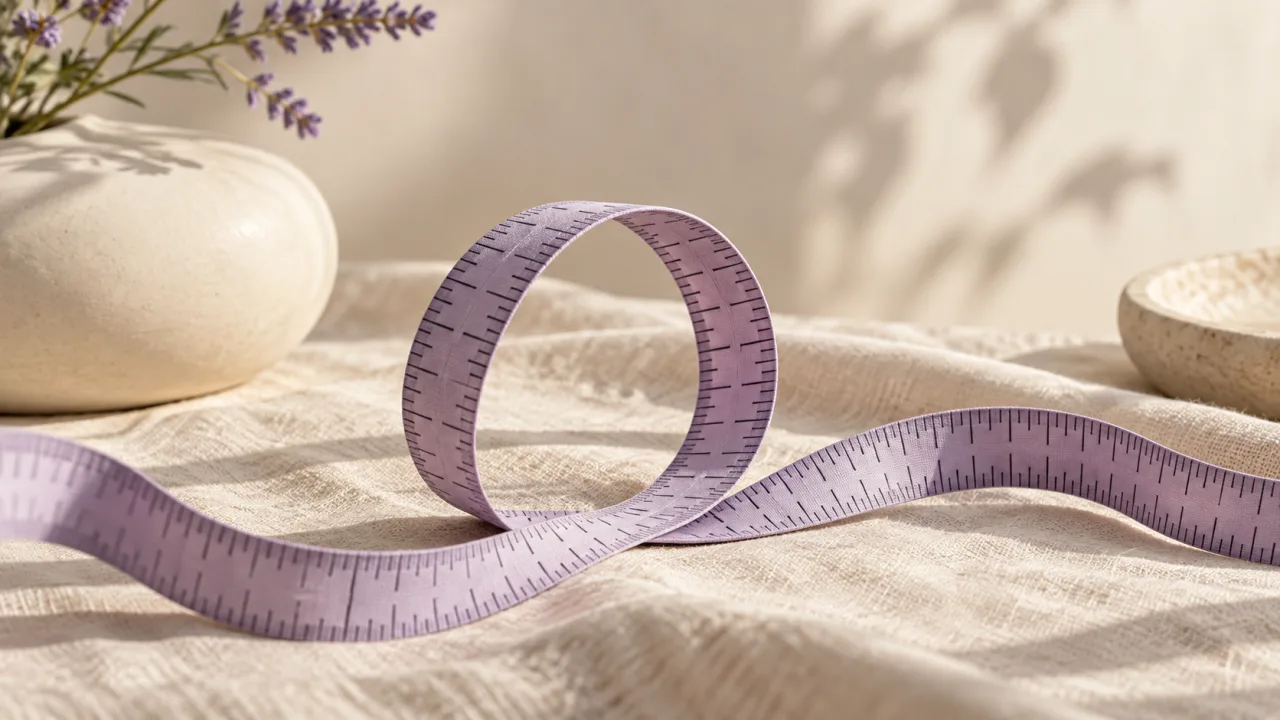
For the NICE waist-to-height method, place the tape midway between the bottom of your ribs and the top of your hips, then measure after breathing out naturally. Divide waist by height in the same units. Follow the same measurement method whenever you compare results.
Choose a method before choosing a number
Different body-measurement formulas can specify different tape locations. Follow the method belonging to the tool you intend to use. This guide covers the NICE waist-to-height method; it should not automatically replace the measurement instructions for a different body-fat equation.
A clothing waist size is not the same as a body circumference. Use a flexible tape and record the actual measurement with its unit. If you change the method, note that change before comparing the result with earlier records.
Locate the measurement point
NICE describes locating the bottom of the ribs and the top of the hips, then positioning the tape midway between them. Wrap it around the body and take the reading after breathing out naturally. Follow the NHS visual guidance linked below if the location is difficult to identify.
Keep the process comfortable and repeatable. Avoid using a tightened tape to obtain a preferred reading. Record the technique and conditions once, so the next measurement follows the same approach.
Calculate the ratio using matching units
For an illustrative waist of 80 cm and height of 170 cm, divide 80 by 170. The ratio is approximately 0.47. A ratio has no length unit because both measurements use the same unit. Mixing inches with centimeters produces an incorrect result.
If your height is written in feet and inches, convert it to total inches before pairing it with a waist measured in inches. Alternatively, convert both measurements to centimeters. Vitalo’s ratio tool uses centimeters for both inputs.
| Example measurement | Value |
|---|---|
| Waist circumference | 80 cm |
| Height | 170 cm |
| Waist ÷ height | 0.47 |
Interpret the result within the guidance
NICE recommends waist-to-height ratio alongside BMI in adults with BMI below 35. It is used to estimate central adiposity and support health-risk assessment. A self-measured ratio does not establish a diagnosis or replace the broader assessment a clinician can provide.
If a tool’s result suggests that further assessment may be useful, save your measurements and discuss them with a qualified professional. Individual history, symptoms, and other findings still matter.
Make the next comparison more useful
Choose an interval that gives the measurement a purpose rather than repeatedly checking within a day. Record the date, unit, and any change in technique. If readings differ unexpectedly, check the tape location before drawing a conclusion about progress.
You can pair waist context with a BMI result or a weight trend, keeping each measurement’s limitations visible. A tidy record supports better questions; it does not turn several estimates into a complete health assessment.
Put it into practice
A useful next step
Sources & further reading
About the author
Vitalo Editorial
Vitalo Editorial creates practical guides to food, habits, and body measurements. Articles connect published health resources with worked examples and Vitalo tools. These guides provide general education; individual articles name a clinical reviewer only when an actual qualified review has taken place.
Read our editorial policy →